

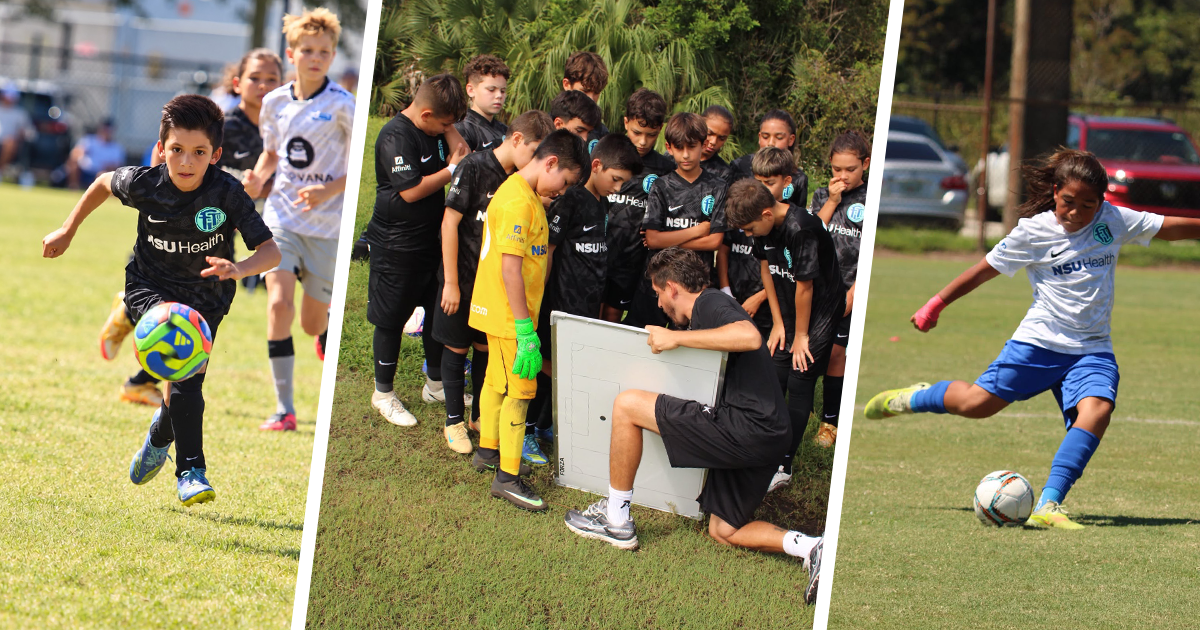
From building confidence and character to creating pathways toward professional soccer, South Florida’s growing soccer community is helping young athletes succeed on and off the field. Fort Lauderdale United FC and coaches like Andres Luna are demonstrating why quality youth development matters.
A Growing Soccer Culture in South Florida
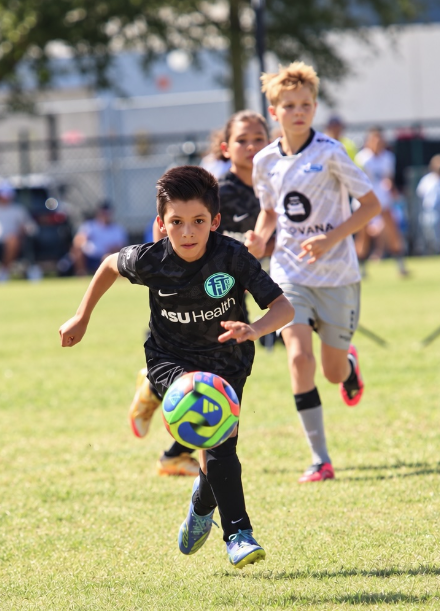
On any given afternoon in South Florida, soccer fields are filled with young athletes chasing a ball, learning new skills, competing alongside teammates, and dreaming of one day playing under the bright lights of a professional stadium.
From Fort Lauderdale and Hollywood to Plantation, Weston, Boca Raton, and Miami, youth soccer has become an important part of the region’s sporting culture. But something much more meaningful is happening on those fields than simply learning how to score goals.
Children are developing confidence. They’re learning how to communicate, handle adversity, build friendships, respect others, and understand the importance of hard work. They’re discovering that success requires preparation, commitment, and a willingness to improve.
For many families, soccer becomes more than an extracurricular activity. It becomes a foundation for personal growth.
And with organizations like Fort Lauderdale United FC (FTL UTD) expanding the opportunities available to young players, South Florida is developing an environment where soccer dreams can grow alongside essential life skills.
Beyond the Scoreboard: Why Youth Soccer Matters
It’s easy to measure a young soccer player’s progress through goals, assists, wins, and tournament trophies. What’s harder to measure, but arguably more valuable, is the personal development taking place throughout the season.
Research highlighted in the U.S. Department of Health and Human Services’ National Youth Sports Strategy associates sports participation with improved confidence, stronger social connections, increased physical fitness, and lower levels of anxiety and depression.
Those benefits are especially meaningful during childhood, when habits, relationships, and attitudes toward challenges are still developing.
Building Confidence and Self-Belief
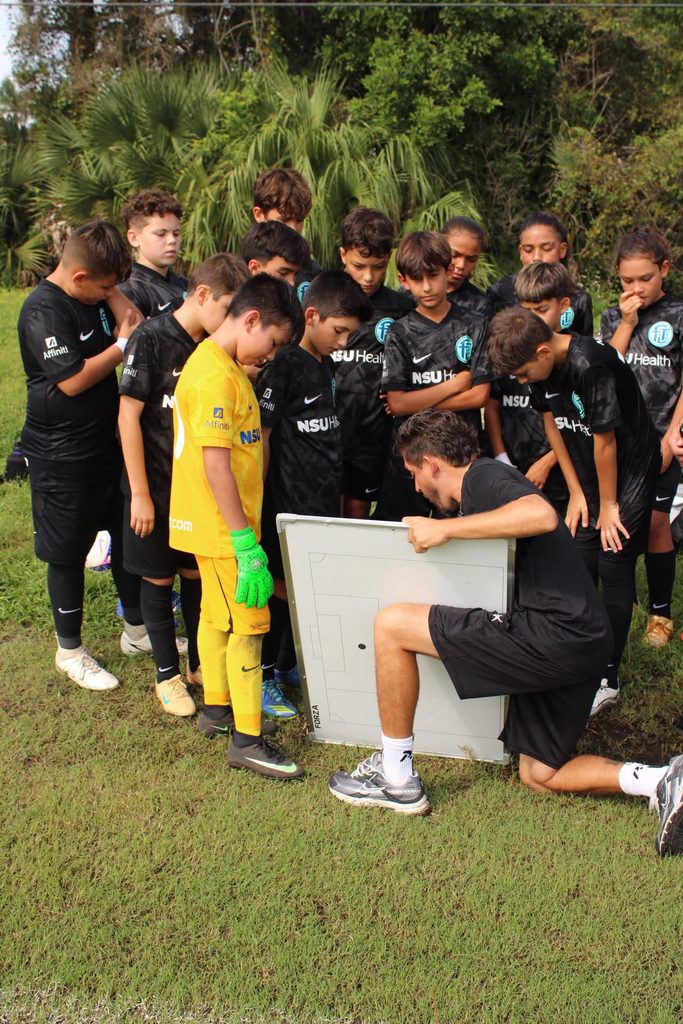
Imagine a 10-year-old soccer player who begins the season hesitant to receive the ball under pressure. Perhaps they’re afraid of making a mistake, losing possession, or disappointing teammates.
Through consistent training, constructive coaching, and game experience, that same player begins to take chances. They ask for the ball, attempt difficult passes, and become comfortable making decisions. The transformation isn’t limited to soccer.
A child who learns to trust their abilities on the field may become more willing to raise their hand in class, try something unfamiliar, or speak confidently in front of others. Confidence is not always something children naturally possess. Often, it’s developed by repeatedly facing challenges and discovering they’re capable of overcoming them.
Learning Resilience Through Winning and Losing
Soccer teaches an important lesson that every child will eventually face in life: things don’t always go according to plan. A team can train hard all week and still lose on Saturday. A player can make a mistake that leads to a goal. Even the strongest teams experience difficult stretches.
What matters is how players respond. Do they blame others, or take responsibility? Do they give up, or return to training determined to improve? In a healthy competitive environment, losing becomes an opportunity to learn rather than a reason to question one’s value. That ability to bounce back from disappointment is valuable far beyond sports, helping prepare children for academic challenges, future careers, and personal setbacks.
Developing Teamwork, Communication, and Leadership
Soccer is a game in which individual talent matters, but collective success requires cooperation. Players must learn to communicate, understand their responsibilities, recognize teammates’ strengths, and make decisions that benefit the group.
A talented striker needs teammates who can create opportunities. A defender must trust the goalkeeper. Midfielders need to understand where their teammates will move before making a pass. These experiences help children develop leadership and social skills.
They discover that leadership isn’t always about being the loudest player or scoring the most goals. Sometimes leadership means encouraging a struggling teammate, demonstrating effort during practice, or remaining composed when a game becomes difficult.
These lessons can shape how young athletes approach friendships, school projects, and eventually the workplace.
Fort Lauderdale United FC: Building a Soccer Future in South Florida
One of the exciting developments in the region’s soccer landscape is the continued growth of Fort Lauderdale United FC. The organization is building a connected soccer environment that includes youth development, pre-professional opportunities, and professional competition. Its professional women’s team, which began competing in the USL Super League in 2024, has helped elevate the visibility of women’s soccer in Fort Lauderdale while giving young female players something particularly meaningful: professional athletes to look up to in their own community.
Rather than seeing professional soccer as something that only exists in Europe or on television, young athletes can experience it close to home. The club’s youth academy represents another significant step forward. When Fort Lauderdale United launched its first season as a full-fledged youth academy in 2025, the organization announced more than 700 players across 46 competitive teams, including 32 boys’ teams and 14 girls’ teams, serving players from ages 9 through 19.
The academy offers competition across established youth platforms and emphasizes the development of local talent.
For aspiring players and their families, this creates a more structured environment in which young athletes can develop their skills and pursue opportunities at increasingly competitive levels. More importantly, it reflects a philosophy that strong player development must begin long before an athlete reaches the professional stage.
A Professional Pathway That Young Players Can Actually See
For generations, talented young soccer players in the United States have dreamed of playing professionally, but understanding how to reach that level has often been difficult. Fort Lauderdale United is helping make that pathway more visible. The organization has developed opportunities that connect youth players with pre-professional and professional environments, particularly through its women’s soccer structure. And that pathway is already producing meaningful milestones.
In early 2026, academy players Daniela Todd and Dakota Harrell made their professional debuts for Fort Lauderdale United’s women’s team. Their progression demonstrated that the connection between academy development and professional opportunities is more than an idea on paper. For a young player watching from the sidelines, seeing an academy athlete earn a professional appearance can be incredibly motivating. It makes the dream feel closer. Of course, only a small percentage of youth players will ultimately become professionals. That reality makes quality development even more important.
An excellent academy should prepare athletes not only for the possibility of professional soccer, but also for high school competition, college opportunities, and success in life beyond the game.
Meet Coach Andres Luna: Experience, Passion, and a Commitment to Development
Among the coaches contributing to Fort Lauderdale United FC’s youth development program is Coach Andres Luna, who currently leads the club’s U11 and U16 boys’ teams.
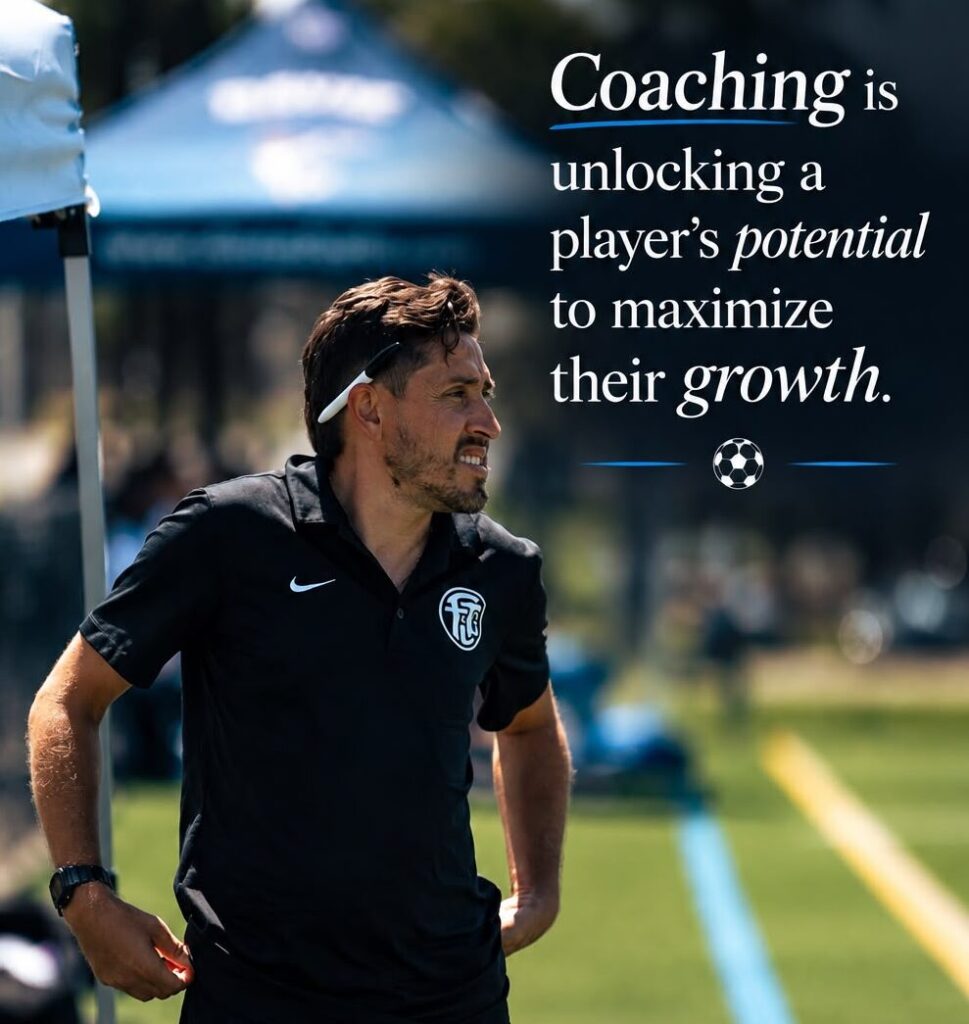
Photo by: Sergio Palacios
Luna brings a background that combines international playing experience, professional-club development work, and a personal understanding of what it means to overcome obstacles through soccer.
As a former member of the United States Deaf National Soccer Team, Luna knows firsthand the dedication and resilience required to compete at a high level.
Born with hearing impairment, he found in soccer a passion that helped shape his life and provided a sense of purpose. His journey is particularly powerful because it demonstrates to young athletes that personal challenges don’t have to define their limitations.
Luna has also worked within the Orlando City soccer organization in coaching and scouting capacities, bringing experience from a professional development environment into his work with young players. That background offers a valuable perspective on what athletes need as they advance through different stages of competition.
At Fort Lauderdale United, he applies that experience to the development of both U11 players who are building their technical and tactical foundations and U16 players preparing for more advanced competition.
Coaching That Challenges Players to Improve
One of the defining qualities of Luna’s approach is his emphasis on pushing players beyond their comfort zones. His coaching reflects the belief that improvement must be earned through effort, repetition, discipline, and the willingness to embrace challenges.
For young athletes, that means training should be more than simply participating in drills. Players need to understand why they’re performing an exercise, how it relates to game situations, and what they must do to become more effective on the field.
At the U11 level, this kind of development can include improving first touch, passing accuracy, ball mastery, spatial awareness, and decision-making under pressure. It also means learning how to move without the ball, support teammates, and recognize opportunities before they develop. As players progress toward the U16 level, the game becomes faster, more physical, and tactically demanding. The need for preparation, accountability, and intelligent decision-making becomes even greater.
Luna’s high expectations encourage players to take their development seriously while understanding that progress is a continuous process.It’s an approach that can help turn talented young players into more complete soccer athletes.
A Coach Who Understands the Human Side of Soccer
Luna’s impact isn’t limited to technical instruction. His personal story also provides a perspective on perseverance, inclusion, and the power of soccer to bring people together. In a 2020 Spectrum News feature, Luna was highlighted for organizing free community soccer lessons in Orlando during the COVID-19 pandemic.
The initiative welcomed children and adults from different backgrounds, emphasizing connection and positivity during an especially difficult period. Luna described soccer as something that had profoundly shaped his life, explaining how important the sport had been to his personal journey. That sense of purpose matters in youth coaching.
When young athletes are guided by someone who genuinely understands the value of the sport beyond winning, the lessons can extend far past the final whistle. A coach who has personally navigated adversity can help players recognize that setbacks are part of growth and that commitment often matters more than immediate results.
For Fort Lauderdale United FC, having coaches with Luna’s combination of experience, competitive expectations, and appreciation for the sport’s personal impact strengthens the environment offered to young players. He represents the type of coaching investment that can distinguish a serious youth development program.
The Role of Parents: Supporting Development Without Adding Pressure
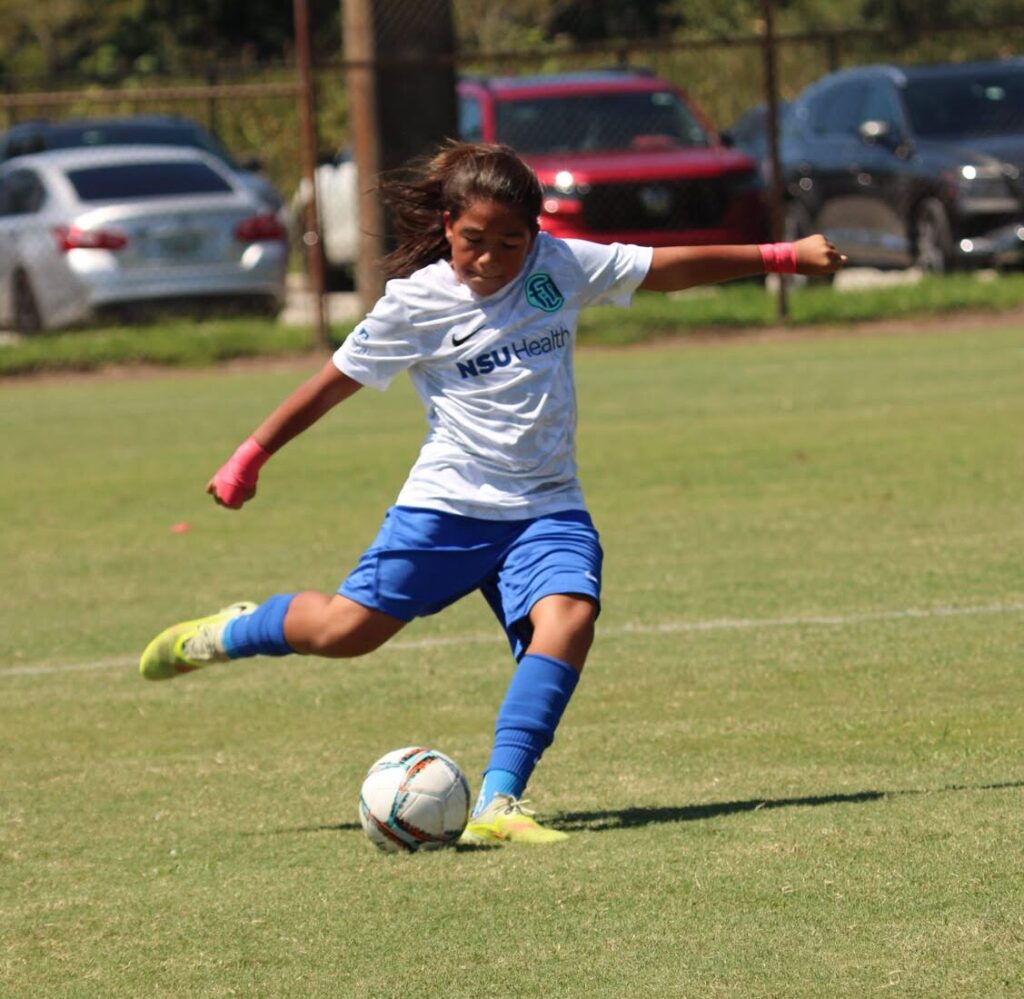
While coaches have an important influence on youth athletes, parents also play a significant role in shaping their children’s soccer experience. In competitive youth soccer, it’s natural for families to become emotionally invested. Parents spend countless hours driving to practices, attending games, traveling to tournaments, and supporting their children through victories and defeats.
But the healthiest approach is one that prioritizes development over short-term results. A child who has a difficult game doesn’t necessarily need a detailed analysis of everything that went wrong on the drive home. Sometimes they need encouragement, perspective, or simply the opportunity to enjoy being a child.
Parents can support long-term development by reinforcing effort, respecting coaches, encouraging responsibility, and allowing players to take ownership of their progress. That means celebrating improvements that never appear on the scoreboard: a defender making smarter decisions, a midfielder communicating more confidently, or a forward finally attempting the shot they’ve been hesitant to take. When parents and coaches work toward the same developmental goals, children benefit from consistency and a stronger support system.
Measuring Success Beyond Wins and Trophies
Championships are exciting. Tournament victories can create unforgettable memories, and competitive achievement is an important part of sport.But years from now, the most meaningful outcome for many young soccer players won’t necessarily be a medal hanging in their bedroom. It may be the confidence they developed after overcoming adversity.
The friendships they built with teammates. The discipline they learned from showing up to practice when they were tired. The responsibility they accepted after making a mistake. Or the encouragement of a coach who believed they were capable of more. Those lessons don’t disappear when a season ends. They become part of the person a young athlete grows into.
For parents considering soccer programs, that perspective is worth remembering. The best youth soccer environment is not automatically the club with the most trophies, the most expensive uniforms, or the most impressive facilities. It’s an environment where children are challenged appropriately, treated with respect, given opportunities to develop, and encouraged to love the sport.
The Future of Youth Soccer in South Florida Looks Bright
South Florida’s soccer community continues to evolve, and organizations such as Fort Lauderdale United FC are contributing to an exciting period of growth. With a professional women’s team, an expanding youth academy, opportunities for higher-level competition, and coaches who bring significant experience to the training field, the organization is helping create a stronger local soccer environment.
Coaches like Andres Luna demonstrate why the people leading these programs matter just as much as the leagues and facilities surrounding them. His journey from competing with the U.S. Deaf National Team to working in professional-club development and mentoring young athletes illustrates the powerful relationship between soccer, perseverance, and personal growth.
For young players, the opportunity to train under demanding, experienced coaches can help unlock potential they may not yet recognize in themselves.For parents, it offers reassurance that the time and commitment invested in youth soccer can provide value far beyond the results of a weekend match.
And for South Florida, it means the next generation isn’t just learning how to become better soccer players. They’re learning how to become more confident, disciplined, resilient, and capable young people. Because ultimately, the greatest victory in youth soccer isn’t always the one celebrated on the scoreboard.
It’s the person who walks off the field at the end of the season.
About Fort Lauderdale United FC
Fort Lauderdale United FC is a South Florida soccer organization offering professional, pre-professional, and youth development programs. Its academy provides opportunities for boys and girls to develop their abilities through competitive soccer and structured training.
Learn more at www.ftlutd.com or explore the club’s youth programs at www.ftlutd.com/youth/

